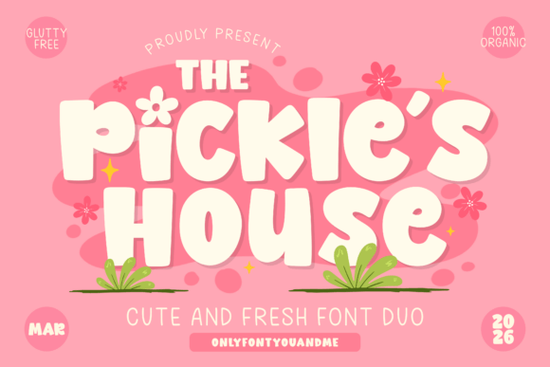
When designing for food brands, children's products, or organic packaging, finding the right typography can be tricky. You need something that feels approachable but still reads clearly in a crowded market. The Pickles House Font solves this by pairing a chunky, rounded display typeface with a light, handwritten secondary style. This combination gives your projects a cheerful, garden-inspired vibe without looking messy. Whether you are a print-on-demand seller creating kids' apparel or a small business owner designing jam labels, this duo offers a warm, hand-crafted feel that connects well with audiences looking for wholesome, authentic products.
What makes this typeface work for food and kids' branding?
The main display style relies on thick, bubbly letterforms with soft edges. This slight unevenness mimics hand-drawn art, which is why it works so well for organic and artisanal goods. If you are exploring other playful options, you might also look at how bubbly display styles handle heavy ink traps and rounded corners to maintain readability. The secondary handwritten font in this duo adds an airy, casual touch. It perfectly balances the visual weight of the main text, making it ideal for subheadings, ingredient lists, or casual social media captions where a relaxed tone is needed.
How do you pair the two font styles effectively?
Using a font duo means you already have a built-in pairing strategy, saving you time during the design process. Here is how to get the most out of the two styles:
- Use the bold style for short headlines. The chunky letterforms need room to breathe, so keep your main titles to two or three words maximum.
- Apply the handwritten style for details. Use the lighter script for pricing, dates, or small descriptive text to keep the layout feeling organic and unforced.
- Mix with clean sans-serifs. For body copy or long paragraphs, pair this duo with a simple, highly readable sans-serif to maintain clarity and prevent visual fatigue.
- Play with color contrast. Use a deep, earthy tone for the bold display text and a softer, muted shade for the handwritten elements to create a clear visual hierarchy.
Which projects benefit most from a quirky display style?
Crafters and small business owners will find this typography highly versatile across both physical and digital mediums. It is especially effective for:
- Artisan food packaging: Think honey jars, pickle labels, or bakery boxes where a friendly, approachable look builds immediate consumer trust.
- Children's merchandise: Print-on-demand sellers can use it for nursery wall art, kids' t-shirts, and birthday party invitations.
- Digital stationery: The playful vibe translates beautifully to digital planners, printable stickers, and digital scrapbooking kits.
- Garden and plant shops: The organic flow fits perfectly with botanical themes, eco-friendly branding, and farmer's market signage.
If you want to see more examples of how this specific display family looks in real-world mockups, checking out community design galleries can give you great layout inspiration. When you are ready to download The Pickles House for your next project, make sure you check the licensing terms for commercial use. For creators who need a slightly different mood, checking out retro-inspired kids' typography can offer a more nostalgic alternative, while collegiate mascot styles work much better for sports or school-themed apparel.
What should you avoid when using rounded display fonts?
While rounded, chunky fonts are incredibly fun, they can easily overwhelm a design if misused. Avoid using the bold display style for long paragraphs or very small text sizes. The thick strokes will blur together when scaled down, making the text entirely illegible. Also, be careful with manual letter spacing. These typefaces are usually kerned specifically for their intended size, so manually tightening the tracking can cause the soft edges to overlap awkwardly. Finally, avoid placing these thick letterforms over highly detailed background textures, as the contrast will get lost. If you prefer a slightly more structured but still playful look, you might explore skeletal bubble designs that offer thinner, more defined strokes.
Quick checklist for your next design project
Before finalizing your artwork and sending it to print or publishing it online, run through this quick typography checklist to ensure your layout is clean, readable, and legally compliant:
- Check the hierarchy: Is the bold display font clearly the focal point, and does the handwritten font act as a supportive secondary element?
- Test readability: Print a physical proof or zoom out to 50% on your screen to see if the handwritten elements are still legible from a distance.
- Review the contrast: Ensure your text color stands out sharply against the background, especially when using the thinner secondary font on colored paper or dark screens.
- Verify the license: Confirm your font license covers your specific use case, whether it is for physical product sales, digital downloads, or commercial branding.
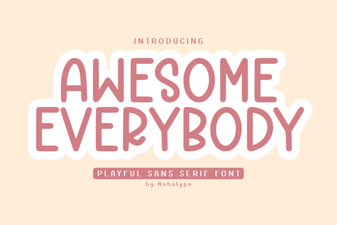 Awesome Everybody Font: Creative Uses & Free Downloads
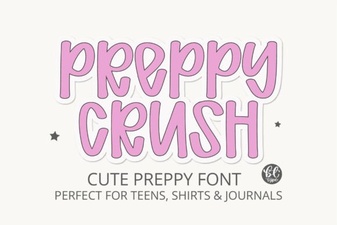 Preppy Font: Style Tips for Creative Designs
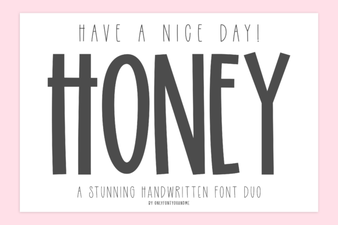 Free & Downloadable Have a Nice Day Honey Font
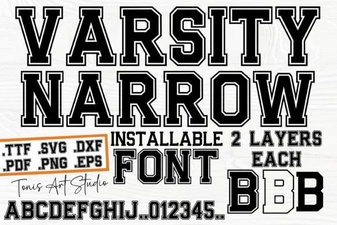 Creative Projects with Varsity Narrow Font
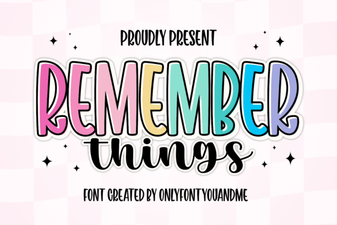 Harness the Remember Things Font for Better Design
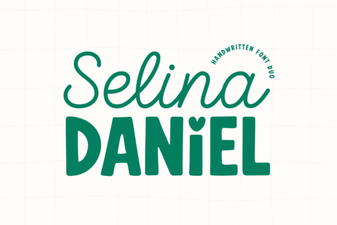 Selina Daniel Duo Font for Creative Projects