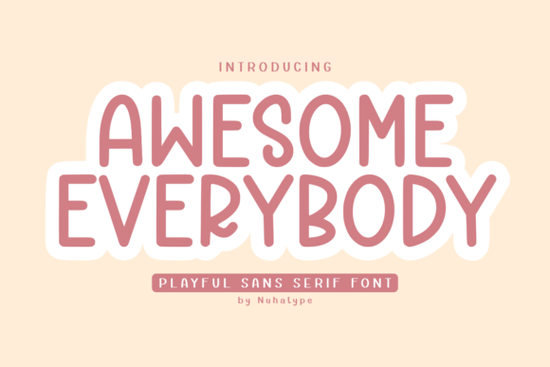
Finding the right typography for children's products or community projects can be tricky. You need something readable but full of personality. The Awesome Everybody Font fits this niche perfectly. It is a bold, friendly typeface with a soft and approachable feel. Whether you are designing educational worksheets, planning a local bake sale, or creating cheerful social media headers, this style brings a warm, inviting vibe to your layout. It works exceptionally well for print-on-demand sellers, small businesses, and creative hobbyists looking to connect with families. Crafters making custom wooden signs or vinyl decals will also find the thick strokes very forgiving to cut and weed.
What projects work best with a friendly display typeface?
When you choose a typeface with rounded, soft edges, it immediately signals that your content is safe, fun, and accessible. This makes it a top choice for early learning materials like alphabet flashcards or reading books for toddlers. If you are working on a project that needs an even more inflated, 3D look, you might also explore options with a shiny, inflated lettering style to see which fits your specific vision better.
For community event signage, like a neighborhood block party or a school fundraiser, thick and legible letters ensure people can read the details from a distance. Playful branding for services like dog walking, tutoring, or kids' party planning also benefits from this welcoming aesthetic. Small business owners can use it on storefront window decals to instantly communicate an family-friendly environment.
How do you pair bold, playful letters with other styles?
Pairing a heavy, friendly font requires balance. Since the primary text is thick and commands attention, your secondary text should be clean and simple. A basic sans-serif or a light monoline script usually does the trick. Avoid pairing it with highly ornate styles. For instance, mixing it with a complex, historical serif design will create visual clutter and confuse the reader. Instead, keep the supporting elements minimal to let the main message shine.
If you want to add a bit of youthful energy to your subheadings, a clean, collegiate-style lettering can provide a nice contrast without overwhelming the main title. The goal is to let the primary typeface do the heavy lifting while the secondary fonts guide the reader through the smaller details, like dates, times, and locations on an event flyer.
Where should you use this typography in print-on-demand?
Print-on-demand sellers and crafters know that readability sells. For t-shirts, tote bags, and mugs aimed at parents or teachers, thick and cheerful text stands out nicely in thumbnail images. It is highly effective for motivational quotes, funny parenting sayings, or cute classroom decor. If you are designing for a slightly older, edgy demographic, you might pivot to a spooky, cartoonish skeleton style for Halloween merch. But for everyday, wholesome designs, stick to soft and bold letters.
For smaller items like stickers or notebook covers, ensure the text remains legible when scaled down. Sometimes, a casual, handwritten reminder style works better for tiny sticker text, reserving the bolder fonts for the main focal point of the design. Always check how the thick lines hold up when cut on a vinyl plotter, especially for intricate letters.
Quick checklist for your next design project
- Check the scale: Print a test page to ensure the thick strokes do not bleed together on smaller paper sizes or merchandise.
- Mind the contrast: Use high-contrast background colors so the soft edges remain crisp and easy to read from a distance.
- Limit your hierarchy: Use the bold typeface for headlines only, keeping body text in a simple, readable sans-serif.
- Test on mobile: If designing for social media, preview your header on a phone screen to verify the text is not cropped out.
- Verify cutting lines: If using a Cricut or Silhouette machine, check that the inner loops of letters like 'e' and 'o' are large enough to weed easily.
Before finalizing your files, grab Awesome Everybody and test it across a few different mockups to see how the soft curves translate to your specific layout.
Get Started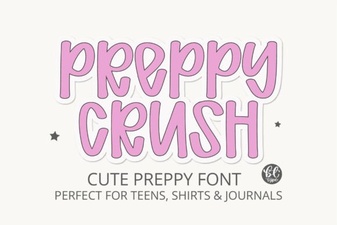 Preppy Font: Style Tips for Creative Designs
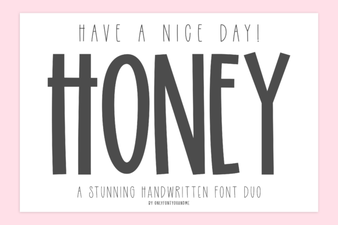 Free & Downloadable Have a Nice Day Honey Font
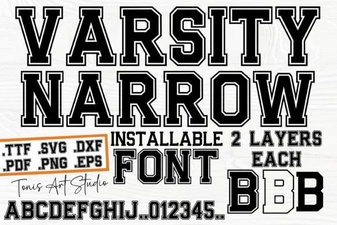 Creative Projects with Varsity Narrow Font
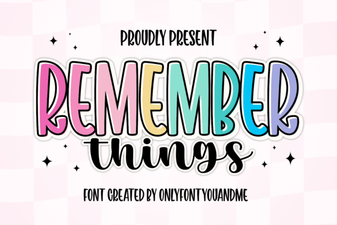 Harness the Remember Things Font for Better Design
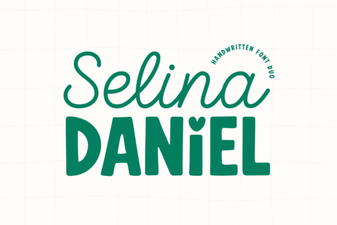 Selina Daniel Duo Font for Creative Projects
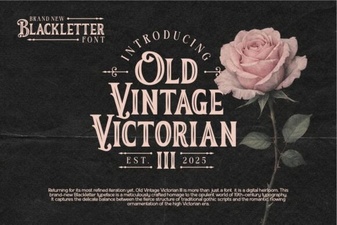 Victorian Era Fonts for Elegant Design Projects