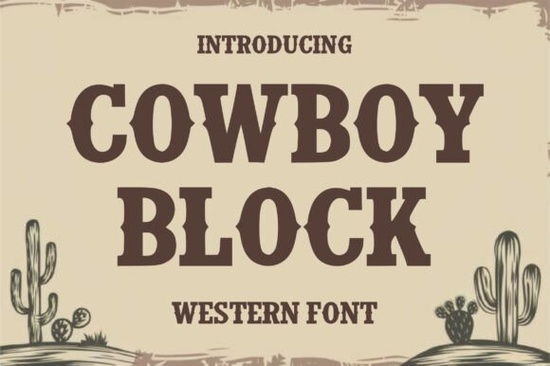
When designing for rustic brands, outdoor apparel, or vintage-themed projects, finding the right typography sets the entire mood. The Cowboy Block Font brings a heavy, authentic saloon-style feel to your work. It is an all-caps display typeface built with thick letterforms and small decorative spurs on the serifs. If you are working on a barbecue restaurant menu, a country music poster, or custom leather goods branding, this typeface gives you that rugged, frontier look without feeling overly complicated or messy.
Finding the right balance between readability and theme is often the hardest part of typography. When exploring the wider range of rustic display typefaces, you will notice this specific design stands out because of its clean, condensed structure. The letters are thick and tightly spaced, which makes them highly visible even from a distance.
What makes this typeface work for Western designs?
The secret to a good frontier aesthetic lies in the small details. This font uses distinct decorative wedges extending from the main serifs. These small spurs mimic the hardware found on saddles, boots, and old wooden signage. Unlike a standard varsity athletic lettering style that relies on simple geometric blocks, these subtle wedges immediately tell the viewer they are looking at something rooted in the Wild West.
Because it is strictly an all-caps font, it demands attention. It is not meant for long paragraphs of text. Instead, it thrives in short, punchy applications. It is strictly for rugged themes; if you are designing a modern candy shop logo or a children's book cover, you would be better off with a soft, inflated lettering style.
How can print-on-demand sellers and crafters use it?
For small business owners and hobbyists, versatility is key. You want a font that looks just as good on a cotton t-shirt as it does on a laser-engraved wooden sign. Here are a few practical ways to apply this heavy typography to your products:
- Apparel Branding: Use it for bold chest graphics on flannel shirts, denim jackets, or outdoor hiking gear.
- Physical Signage: Apply it to chalkboard menus, wooden directional signs, or metal plaques for breweries and smokehouses.
- Product Labels: Print it on kraft paper tags for handmade soaps, leather wallets, or small-batch hot sauces.
- Event Posters: Create striking headers for rodeo announcements, country music festivals, or rustic wedding welcome signs.
To balance the heavy, masculine weight of the letters, many designers pair it with a delicate script. Using an elegant signature duo for secondary text creates a beautiful visual contrast on boutique clothing tags or wedding invitations. The thick blocks ground the design, while the thin script adds a touch of refinement.
Which projects benefit most from heavy block serifs?
Readability at a large scale is where this typeface truly performs. While an intricate historical typeface works well for formal vintage invitations or small print, it can become muddy when blown up for a storefront window. The condensed, robust shapes of this Western font ensure that your main title remains crisp and legible, whether it is printed on a tiny clothing label or painted on the side of a barn.
It is particularly useful for creating badges and emblems. Because the letters are thick and uniform, they frame circular or shield-shaped logos perfectly. You can easily curve the text along a path without losing the structural integrity of the serifs.
How should you prepare the file for production?
Before sending your design to a printer or a laser cutter, make sure you outline your text. Converting the type to vector paths ensures that the decorative spurs do not get distorted or lost during the manufacturing process.
Pre-production checklist:
- Convert to outlines: Always outline your text in Illustrator or your preferred vector software to prevent missing font errors.
- Check the spurs: Zoom in to ensure the small decorative wedges are thick enough to be cut by a vinyl plotter or laser engraver.
- Adjust tracking: Since it is a condensed font, slightly increase the letter spacing if you are using it for very large physical signs to improve readability.
- Test the contrast: Print a small paper proof to see how the heavy black ink looks against your chosen background material, especially on textured surfaces like wood or canvas.
Take a few minutes to test your layout on a scrap piece of material before running a full production batch. Seeing the physical weight of the letters in real life will help you decide if you need to scale the text up or down for the best visual impact.
Learn More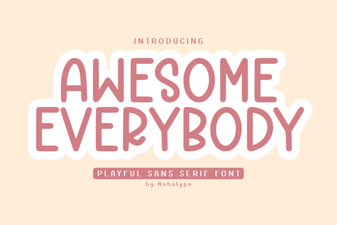 Awesome Everybody Font: Creative Uses & Free Downloads
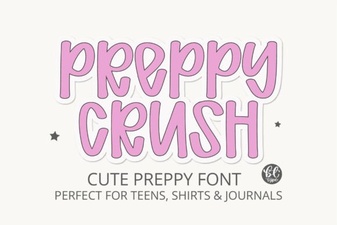 Preppy Font: Style Tips for Creative Designs
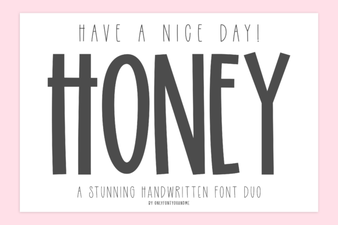 Free & Downloadable Have a Nice Day Honey Font
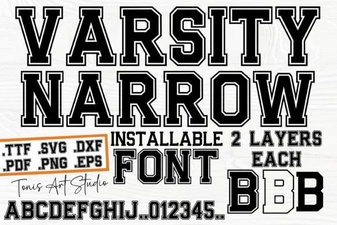 Creative Projects with Varsity Narrow Font
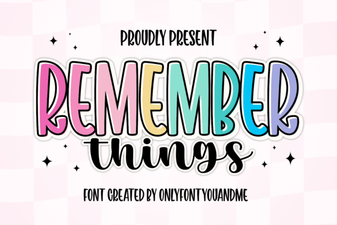 Harness the Remember Things Font for Better Design
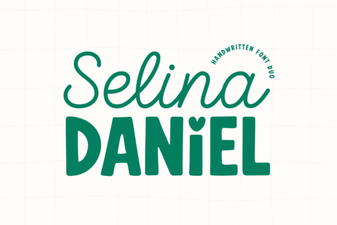 Selina Daniel Duo Font for Creative Projects