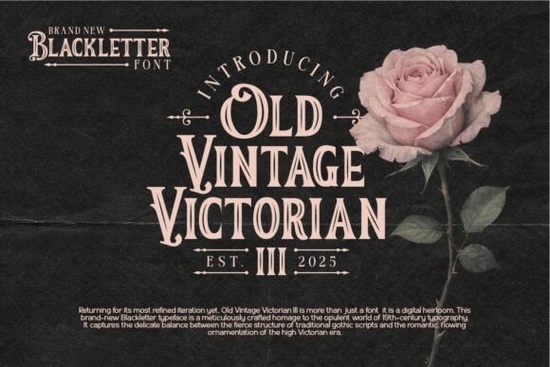
If you need a typeface that captures the intricate elegance of the 19th century, the Old Vintage Victorian III Font is a strong choice. This decorative serif features bold serifs, high contrast, and ornate swashes that mimic classic signage. Whether you are a print-on-demand seller creating retro apparel or a small business owner designing a distillery label, this font brings an authentic character to your work. Grab the Old Vintage Victorian III Font from Creative Fabrica to start your next project.
What makes this typeface stand out for vintage projects?
The design relies on heavy, detailed letterforms that immediately draw the eye. Unlike simpler retro styles, this typeface includes decorative inlines and elaborate flourishes. These details give it a robust feel, making it highly effective for large display settings. Having these built-in ornate elements saves you from adding extra graphics to your layout. If you want something slightly more playful but still retro, browse other modern vintage options to compare aesthetics.
Which projects work best with this display font?
Because of its high contrast and intricate detailing, this typeface is designed for impact in large settings. It is not meant for body text or long paragraphs. Instead, it shines in specific commercial and creative applications:
- Distillery labels: The bold serifs look excellent on glass bottles and textured paper.
- Vintage apparel: Print-on-demand sellers can use it for retro t-shirt graphics and tote bags.
- Restaurant branding: It works well for classic menu headers and storefront signage.
- Event stationery: Use it for wedding invitations that require a sophisticated, historical feel.
For crafters who prefer a casual, hand-drawn look for their everyday projects, checking out a friendly handwritten alternative is a good idea for contrast.
How do you pair this ornate serif with other typefaces?
Pairing a highly decorative font requires a careful approach. Since the Victorian style is heavy with flourishes, your secondary font should be clean and simple. A basic sans-serif will balance the layout without competing for attention. If you want to explore different display styles, a versatile duo typeface can provide a nice complementary script in one package.
To see real-world examples of how designers use styles similar to the Old Vintage Victorian III Font, you can study historical signage archives. Keep the Victorian font strictly for the main headline or the primary brand name. Use your secondary font for subheadings, dates, and smaller details to maintain a clean visual hierarchy.
What should you keep in mind when printing?
Working with intricate serifs and thin inlines can cause issues during the physical printing process. Here is a practical checklist to ensure your final product looks crisp:
- Check the minimum size: Never scale this font down too small. The thin inlines will disappear on standard paper.
- Test on your material: If printing on kraft paper or fabric, do a test run. Ink spread can fill in small gaps.
- Adjust the tracking: Give the letters enough breathing room so the ornate swashes do not overlap awkwardly.
- Use high-contrast colors: Pair dark ink with light backgrounds, or use metallic foils for a premium look.
If you are designing for a younger demographic and need something less formal, look at a fun, bubbly typeface instead.
How do you get the best results for digital displays?
On screens, detailed fonts can look cluttered if the resolution is low. Always export web graphics in high-quality formats like SVG or high-resolution PNG. When using it for social media headers or website hero images, keep the background simple. A solid color or subtle paper texture will let the bold serifs stand out without distracting the viewer. For a completely different vibe that still works well on digital posters, an expressive display option can add a modern twist to your templates.
Next step: Before finalizing your design, print a physical proof at 100% scale. Hold it at arm's length to check if the headline is legible and if the swashes feel balanced. If the details look muddy, increase the font size by 20% or switch to a simpler weight for smaller text elements.
Try It Free Awesome Everybody Font: Creative Uses & Free Downloads
 Preppy Font: Style Tips for Creative Designs
 Free & Downloadable Have a Nice Day Honey Font
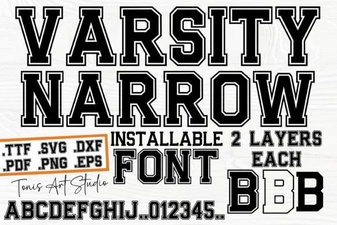 Creative Projects with Varsity Narrow Font
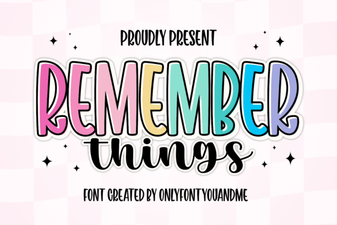 Harness the Remember Things Font for Better Design
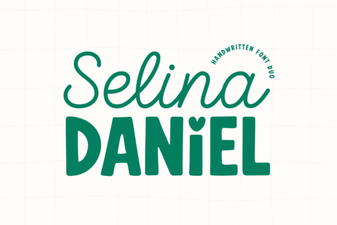 Selina Daniel Duo Font for Creative Projects