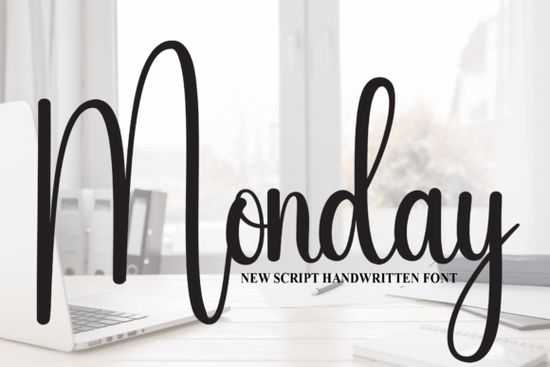
Handwritten typefaces bring a deeply personal touch to both digital and print projects. If you are working on wedding stationery, custom merchandise, or handmade greeting cards, the Monday Font offers a sweet, relaxed vibe that feels like a genuine signature. It is a friendly script typeface that works beautifully for crafters, print-on-demand sellers, and small business owners who want their designs to feel approachable and warm without looking messy.
What projects work best with a relaxed handwritten style?
This specific typeface shines in situations where you want to communicate warmth and intimacy. Because the letterforms are fun and relaxed, they are highly effective for personal events. Wedding invitations, save-the-date cards, and bridal shower stationery are perfect use cases. The soft curves and casual baseline give off a romantic yet informal energy that guests appreciate.
Beyond paper goods, this font is incredibly useful for physical merchandise. In fact, it was recently featured in a Creative Fabrica class focused on making custom coozies for various events. When applying lettering to curved surfaces like drinkware, a fluid and flexible script ensures the text wraps naturally without looking distorted.
If you are designing greeting cards and want a slightly more elegant feel for the envelope addressing or secondary text, you might also explore a delicate butterfly-inspired script to mix and match. Having a few different handwritten styles in your toolkit allows you to match the exact mood of the recipient.
How do you pair this typeface with other fonts?
Pairing a casual script with other typefaces requires a bit of balance. Since this font has a lot of personality and organic movement, it usually pairs best with clean, simple sans-serif fonts for body text. This keeps your design readable while letting the handwritten elements stand out.
However, if you want to use multiple scripts in a single design, you need to ensure they contrast well. If your main header uses this sweet, relaxed font, your subheadings could use an analytical and clean script to keep things structured and legible. The contrast between a loose, bouncy header and a more restrained subheading creates a professional layout.
For highly casual, doodle-like projects like scrapbooking or kids' party invitations, combining it with an entry-level casual lettering style gives a very authentic, handmade aesthetic. On the other hand, if you are adding formal quotes or elegant sub-text to a wedding program, a sophisticated and flowing script might be a better secondary choice to maintain a touch of formality.
When designing wedding suites, you might also need a bolder contrast for main titles or monograms. In those cases, looking into a heavier script style can create a strong visual hierarchy, allowing the lighter, sweeter font to handle the smaller details like dates and locations.
Is it easy to use for print-on-demand and vinyl cutting?
For crafters using machines like Cricut or Silhouette, the physical structure of a font matters just as much as its visual appeal. Scripts with extremely thin hairlines or disconnected letters can be a nightmare to weed and apply. This typeface generally maintains a good baseline thickness, making it much more forgiving when cut from adhesive vinyl or heat transfer vinyl (HTV).
Here are a few technical things to keep in mind when using it for physical crafts:
- Welding letters: Always ensure your design software welds or unifies the overlapping letters before cutting. This prevents the machine from cutting through the connecting swashes.
- Sizing for apparel: When placing the text on t-shirts or tote bags, keep the overall width in proportion to the garment. A highly stretched script will look unnatural on fabric.
- Contrast on dark materials: If you are cutting this font from white HTV for a dark shirt, the relaxed loops will pop beautifully. Just avoid making the text too small, or the inner loops of letters like 'e' and 'a' might fill in with the dark fabric underneath.
What should you check before finalizing your design?
Before you send your project to the printer or hit the cut button on your crafting machine, run through this quick checklist to ensure your handwritten text looks its best:
- Check the kerning: Even well-made scripts sometimes have awkward gaps between specific letter combinations. Manually adjust the spacing if two letters look disconnected.
- Test the readability: Step back from your screen or print a small test draft. If you have to squint to read the words, the text is either too small or the background lacks enough contrast.
- Verify the license: Always double-check your commercial use rights, especially if you are selling physical products featuring the typography on platforms like Etsy or Amazon.
- Proofread carefully: Handwritten fonts can sometimes make typos harder to spot because our brains are used to reading standard typed text. Read your text out loud before finalizing.
By taking a few extra minutes to review your layout and material choices, you can ensure your custom invitations, apparel, and paper crafts look polished and professional every single time.
Download Now Wonderful Butterfly Font: Creative Design & Inspiration
 Font Font Projects: Creative Design & Usability Ideas
 Crafting Personality with the Autography Font
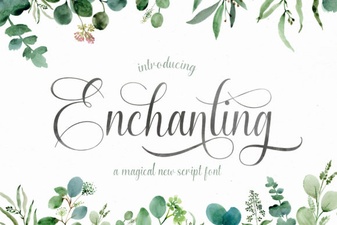 Choose the Perfect Enchanting Script Font
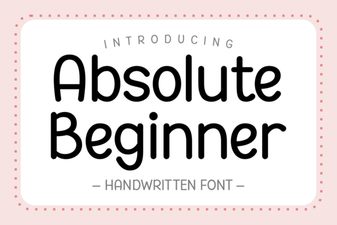 Best Fonts for Absolute Beginners in Design
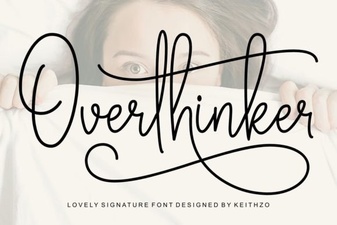 Thinking Fonts for Creative Designers