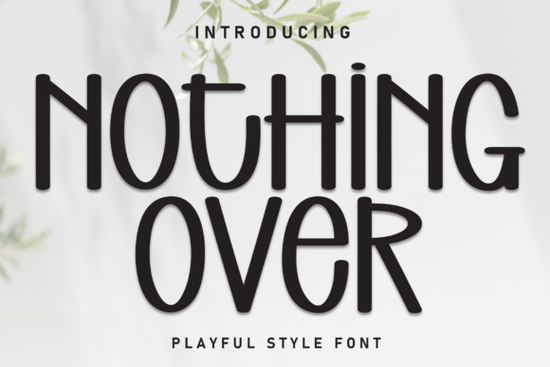
When you are designing wedding invitations or playful greeting cards, finding the right handwritten typeface can make or break your project. The Nothing over Font Font is a charming, personable display typeface that brings a sweet and friendly vibe to your layouts. Whether you are a print-on-demand seller creating custom mugs, a small business owner designing artisan product labels, or a hobbyist making scrapbooks, this handwritten style adds a unique, amusing touch to every letter. It easily transforms plain text into something that feels deeply personal and carefully crafted.
What makes this handwritten typeface stand out for crafters?
Handwritten styles are incredibly popular for personalized gifts and boutique branding. What makes this specific typeface useful is its careful balance between everyday readability and artistic flair. The letters have a delightful, slightly bouncy rhythm that feels like natural handwriting rather than rigid digital text. For crafters using cutting machines like Cricut or Silhouette, the clean lines and well-spaced characters mean you will spend less time weeding vinyl and more time finishing your physical projects. It works beautifully for wooden signs, acrylic cake toppers, custom apparel, and even hand-painted tote bags. The friendly character of the letters ensures your message feels welcoming and approachable.
How can print-on-demand sellers use this style effectively?
If you run a print-on-demand shop, pairing different typefaces is essential for creating diverse, eye-catching product catalogs. You might use this sweet, friendly font for the main quote on a canvas print, and then pair it with a more structured option like the overthinker typeface for the smaller subtext or author attribution. Contrast is key in good typography. Another great approach is mixing it with a highly flowing alternative, such as the autography lettering style, to create a dynamic, layered design for greeting cards or art prints. By varying your text styles, you keep your storefront looking fresh and professionally curated.
Is it suitable for elegant wedding stationery?
Absolutely. While it has a playful zest, it can easily transition into elegant wedding invitations when paired with the right layout and minimalist design elements. When designing a full stationery suite, you want the names of the couple to stand out without overwhelming the page. You can use this display font for the names, and then switch to a clean, highly legible option like the monday text style for the date, time, and venue details. If you prefer a more traditional romantic look for the headers, you might explore the quincy lettering collection instead, but this sweet typeface holds its own for modern, whimsical, and outdoor wedding themes.
What are the best software settings for installing and using it?
Getting the most out of any display typeface requires knowing your design software and understanding basic typographic rules. In programs like Adobe Illustrator or Canva, adjust the kerning, or letter spacing, slightly if the characters feel too cramped when typed in all lowercase. For those just starting their design journey, practicing with a forgiving and easy-to-read option like the absolute beginner script can help you understand baseline shifts and spacing before tackling more complex ligatures. Always make sure to enable OpenType features if your software supports them, as alternate characters and swashes add a custom, high-end feel to your final artwork.
What should you check before sending your design to print?
Before you finalize your next design project and send it to the printer, run through this quick typography checklist to ensure the best results:
- Test your text on the actual product mockup to ensure the playful letters remain readable at smaller sizes.
- Check your licensing agreement to confirm you have the correct commercial rights for print-on-demand sales or small business branding.
- Pair your main display text with a simple, clean sans-serif font for body copy to maintain visual balance and readability.
- If cutting vinyl, do a test cut on a scrap piece of material to check how the thinnest parts of the letters weed.
- Proofread your text carefully, as decorative fonts can sometimes make minor spelling errors harder to spot at a glance.
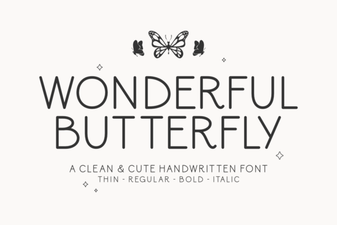 Wonderful Butterfly Font: Creative Design & Inspiration
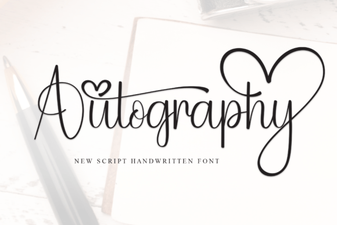 Crafting Personality with the Autography Font
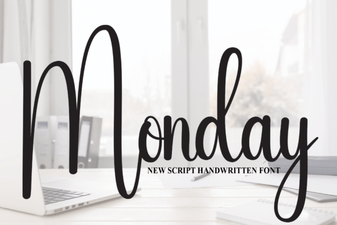 Monday Font: Download & Creative Project Ideas
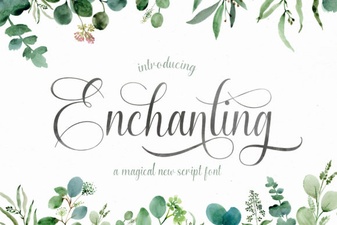 Choose the Perfect Enchanting Script Font
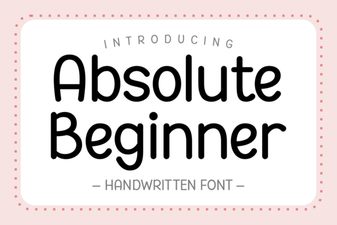 Best Fonts for Absolute Beginners in Design
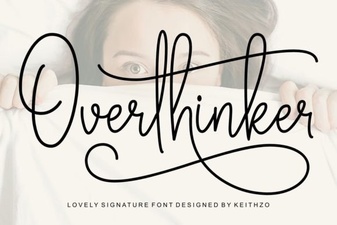 Thinking Fonts for Creative Designers