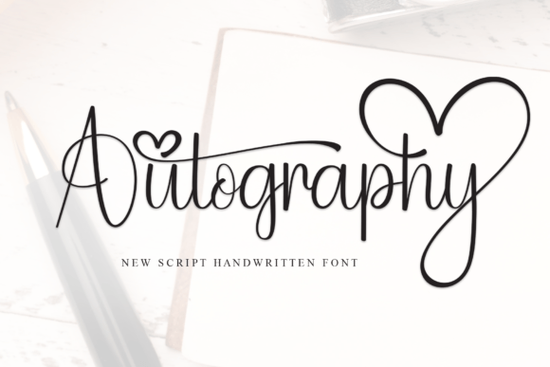
Finding the right handwritten typeface can completely change the feel of a design. You want something that looks authentic but remains easy to read. The Autography Font offers a delicate, elegant, and flowing style that mimics natural penmanship. Because the characters are well-balanced, this typeface fits perfectly into a wide variety of creative projects, from wedding stationery to product packaging. Whether you are a professional designer or a weekend crafter, having a reliable, versatile script in your toolkit saves time and improves the final result.
What projects work best with delicate handwriting?
Delicate scripts shine in projects where a personal, human touch is needed. Print-on-demand sellers often use these styles for Mother’s Day mugs, canvas tote bags, and custom greeting cards. Small business owners find them ideal for boutique logos, handwritten thank-you notes, and artisan product labels. The flowing lines add a sense of luxury and care without looking overly formal or stiff.
When working with physical crafts, the smooth curves of a well-balanced script make weeding vinyl much easier. There are fewer sharp, tiny edges to tear during the peeling process. While this specific typeface is great for elegant branding, sometimes a project needs a slightly different mood. For example, if you are designing spring-themed apparel or floral invitations, you might also enjoy exploring whimsical nature-inspired lettering to match your botanical graphics.
How do you pair flowing scripts with other typefaces?
Pairing a flowing script with the right secondary typeface ensures your text remains legible and visually appealing. A good rule of thumb is to contrast the delicate curves of your main heading with a clean, simple sans-serif or a classic serif for the body text. This creates a clear visual hierarchy and guides the reader’s eye naturally through the design.
If your layout requires a stronger visual impact, you can create a striking contrast by pairing it with heavier, bolder script styles for secondary subheadings. This works exceptionally well on posters or social media graphics where you need to grab attention quickly. Alternatively, for a more modern and minimalist layout, try combining it with clean, unembellished typography to let the elegant curves stand out entirely on their own.
Is this typeface easy to use for beginners?
Yes, well-balanced handwritten styles are generally very forgiving for beginners. Unlike highly complex calligraphy that can become illegible when scaled down, a balanced design maintains its clarity across different sizes. This makes it an excellent choice for hobbyists working with Cricut or Silhouette cutting machines, as the smooth, continuous lines cut cleanly without breaking.
If you are just starting your lettering journey and want to experiment with different moods, you might want to test out classic signature styles for formal events like weddings or galas. On the other hand, for everyday crafting, like making custom planner stickers or casual journal headers, looking into relaxed, everyday handwriting can give your projects a fun, highly approachable vibe. Mixing and matching these styles helps you build a versatile design portfolio.
How do you prepare the file for printing or cutting?
Before sending your design to the printer or the cutting mat, a little bit of preparation goes a long way. Always convert your text to outlines or paths if you are sending the file to a professional print shop. This prevents the software from substituting your beautiful script with a default system typeface. For vinyl cutting, ensure your welding or offset settings are correct so the delicate loops do not merge into a solid blob of color.
Before you finalize your next design, run through this quick checklist to get the best possible results:
- Check the licensing: Always verify whether you need a commercial license for selling physical products, digital downloads, or print-on-demand items.
- Test the scale: Print a small physical sample to ensure the delicate lines do not blur, bleed, or break when printed at a smaller size.
- Mind the kerning: Even with well-balanced characters, manually adjust the spacing between letters if you are using specific letter combinations that look too crowded.
- Limit your usage: Reserve the script for short headings, names, or quotes, and use a simpler, highly readable font for longer paragraphs.
- Weld your text: If you are cutting the design on a vinyl machine, make sure to weld the letters together so the cutting blade treats the word as one continuous shape.
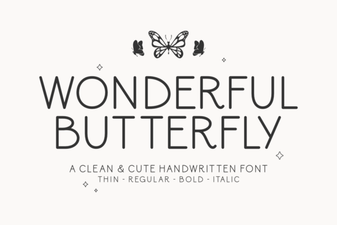 Wonderful Butterfly Font: Creative Design & Inspiration
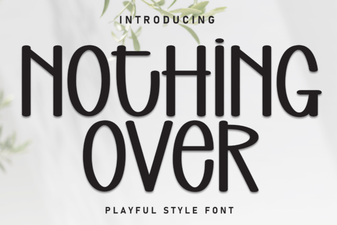 Font Font Projects: Creative Design & Usability Ideas
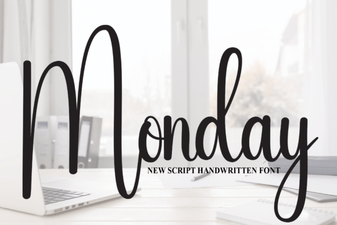 Monday Font: Download & Creative Project Ideas
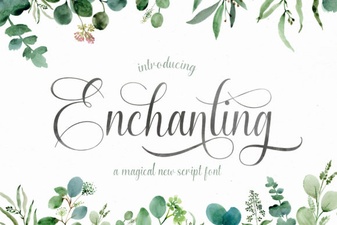 Choose the Perfect Enchanting Script Font
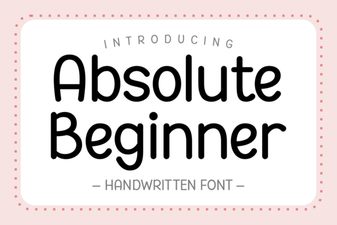 Best Fonts for Absolute Beginners in Design
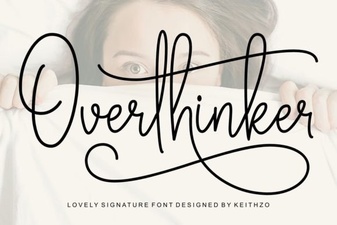 Thinking Fonts for Creative Designers