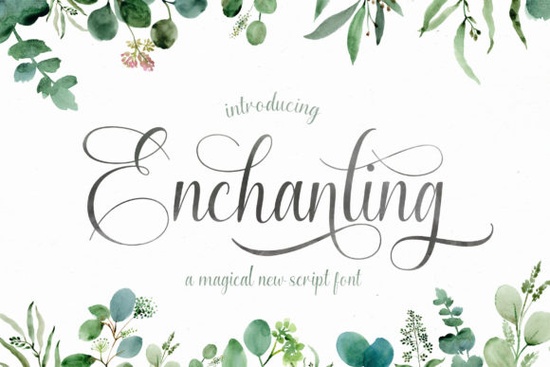
Finding the right handwritten typeface for a branding project can take hours of scrolling. You need something that feels personal but remains highly legible across different sizes. The Enchanting Script Font solves this by offering a timeless, flowing style that works beautifully for logos, social media quotes, and product packaging.
Handwritten typography brings a human touch to digital and physical designs. Whether you are a small business owner creating artisan labels or a crafter making custom wedding invitations, the right lettering makes your work stand out. To see how this specific family fits into broader design trends, you can browse the full enchanting script category for more inspiration.
How does PUA encoding help with font swashes?
Many crafters and print-on-demand sellers struggle to access extra ligatures and swashes in their design software. When a typeface is PUA encoded, it means every single glyph is mapped to a specific Unicode character. You do not need expensive software like Adobe Illustrator to see the fancy tails and alternate letters.
If you are using basic tools like Cricut Design Space, Silhouette Studio, or Canva, you can easily copy and paste these special characters from your computer's character map directly into your canvas. This makes customizing nursery wall art or personalized coffee mugs much simpler without worrying about software limitations.
What projects work best with flowing typography?
Script styles shine when they need to convey warmth, elegance, or a handmade feel. They are highly effective for:
- Boutique logos: Creating a custom wordmark without hiring a professional lettering artist.
- Apparel design: Adding a stylish, hand-drawn look to t-shirts and tote bags.
- Stationery: Designing elegant save-the-dates and menu cards.
If you are looking for a slightly more relaxed vibe for your next apparel design, you might also explore an autography style typeface to see how a rawer signature look compares. For small business branding, a refined script pairs perfectly with minimalist sans-serif fonts. If your brand leans toward a modern, clean aesthetic, checking out a minimalist monday typeface could give you some fresh layout ideas for your business cards.
How do you pair a script font with other typefaces?
Mixing fonts is all about contrast. A highly decorative script needs a quiet, simple partner to balance the design and keep the text readable.
- Use a geometric sans-serif: This keeps the overall design modern and easy to read, letting the script act as the main focal point.
- Try a classic serif: This creates a traditional, elegant look, perfect for high-end cosmetics or luxury packaging.
- Avoid pairing two scripts: This usually creates visual clutter and makes the text hard to read, especially at smaller sizes.
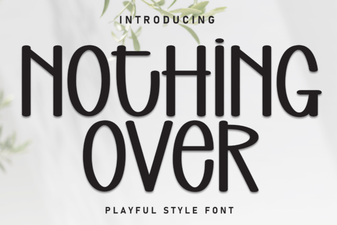
If you want to experiment with a slightly bolder, more expressive feel for your subheadings, an expressive overthinker typeface can add a nice layer of personality to your mood boards. Alternatively, if you need something highly legible for long paragraphs of text, a clean nothing over typeface works wonderfully as a supporting body font.
Why do some handwritten fonts look messy when printed?
The main issue with many poorly made handwritten fonts is inconsistent spacing and clashing ligatures. When letters overlap awkwardly, the ink bleeds together on physical products like screen-printed t-shirts or stamped paper. A well-crafted font fixes these kerning issues automatically. This ensures that whether you are cutting vinyl for a car decal or printing a large canvas poster, the connections between the letters remain smooth and professional. You can also reference the official Enchanting Script page to view the full character set and test out different letter combinations before downloading.
What is the best way to test a new font before finalizing a design?
Before sending a design to print or cutting it on a machine, always run a quick quality check. Follow this simple checklist to ensure your typography looks perfect:
- Check the kerning: Look closely at where the letters connect. Make sure there are no awkward gaps or messy overlaps.
- Test at different sizes: Shrink the text down to see if the thin lines disappear or become too fragile to cut on a vinyl plotter.
- Print a physical proof: Screen resolution can hide flaws. Print the design on your home printer to see how the ink actually lays down on paper.
- Verify the license: Always double-check that your license covers commercial use if you plan to sell the final physical products.
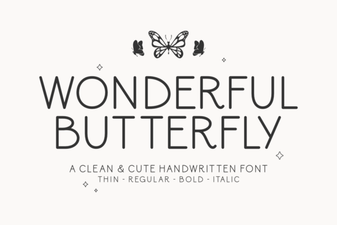 Wonderful Butterfly Font: Creative Design & Inspiration
 Font Font Projects: Creative Design & Usability Ideas
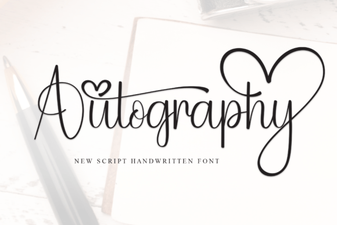 Crafting Personality with the Autography Font
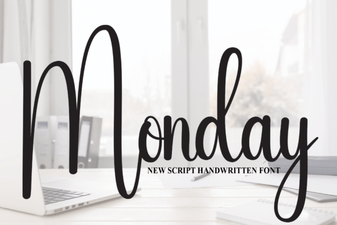 Monday Font: Download & Creative Project Ideas
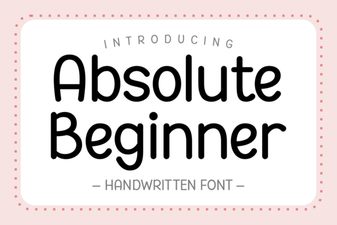 Best Fonts for Absolute Beginners in Design
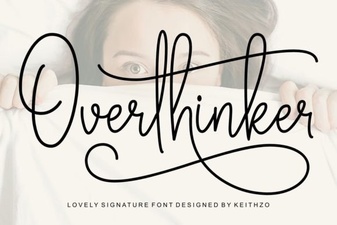 Thinking Fonts for Creative Designers