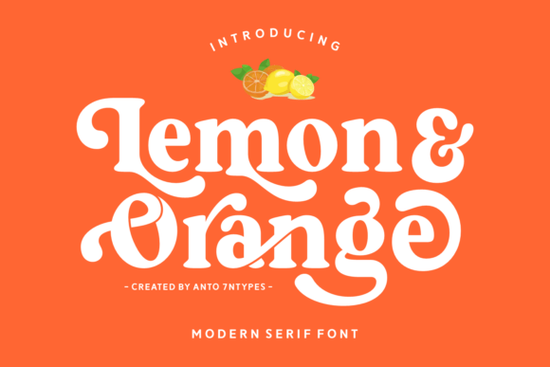
Finding the right typeface for a cheerful yet elegant project can be tricky. You want something that feels inviting but still looks professional on a printed product. The Lemon and Orange Font strikes this balance by blending whimsical display elements with classic romantic styling. It is built for designers, crafters, and small business owners who need a versatile lettering style for everything from wedding invitations to custom apparel.
Instead of just offering standard letters, this typeface includes thoughtful details like heart swashes and delicate floral accents. These small touches make a big difference when you are designing items that need to feel personal and handmade. Crafters using electronic cutting machines will appreciate how the smooth vector paths weed cleanly, reducing frustration during the physical crafting process.
What specific features help with custom designs?
When you are creating products to sell or designing for a client, having access to alternate characters is incredibly useful. This font family goes beyond basic regular and italic weights. It includes a wide range of ligatures and alternate forms that allow you to customize how words connect and flow.
For print-on-demand sellers, this means you can create a unique logo or a catchy T-shirt quote that does not look like it was generated from a basic text tool. The ligatures naturally link letters together, giving your typography a custom-drawn, authentic feel. Additionally, the multilingual support ensures that your designs remain accurate and beautiful, even when you are creating products for an international market.
How can crafters and small businesses apply this style?
The mix of bold display characteristics and softer, romantic details makes this typeface highly adaptable. Here are a few practical ways to use it in your daily workflow:
- Wedding and Event Stationery: Use the elegant swashes for the couple's names on invitations, while keeping the simpler letterforms for the event details.
- Product Packaging: The lively, citrus-inspired energy works wonderfully for artisan goods, boutique cosmetics, or handmade soap labels.
- Apparel and Merchandise: The bold flair ensures your text remains readable and striking on tote bags, mugs, and graphic tees.
- Greeting Cards: The delicate lines and rose-inspired accents add a warm, heartfelt touch to birthday and anniversary cards.
When building a cohesive brand identity, you will usually need to pair this display face with a clean, readable text face. Browsing through other serif typefaces can help you find the perfect secondary font for your longer paragraphs and body copy.
Does it work well for both print and digital layouts?
Yes, but you have to be mindful of sizing and contrast. Because this typeface features intricate details like swashes and fine lines, it performs best as a headline or a focal point. It shines on magazine covers, book titles, and large website headers where the delicate curves have room to breathe. The contrast between the thick and thin strokes adds a professional polish to digital graphics, making your social media templates stand out in a crowded feed.
For smaller print materials, like business cards or product tags, stick to the standard characters and avoid the heavy swashes to maintain readability. If your project leans more toward a rustic or vintage aesthetic, checking out traditional string typefaces might give you some alternative ideas for a more weathered look.
What is the best way to test and install the files?
Before you commit to a final design, it is always a good idea to test how the font behaves in your specific software. Here is a quick checklist to ensure a smooth setup and testing process:
- Extract and Install: Unzip the downloaded files and install the OTF or TTF files directly to your computer's font folder.
- Restart Your Software: Close and reopen your design programs like Illustrator, Photoshop, or Cricut Design Space so they can recognize the new files.
- Enable OpenType Features: Open the glyphs or OpenType panel in your software to access the hidden ligatures, alternates, and swashes.
- Test Print a Sample: Print a small test page at the actual size you intend to use. This helps you verify that the delicate lines do not blur or break apart on paper.
- Check Licensing: Review the commercial use terms to ensure you are cleared to use the typeface on physical products you plan to sell.
Taking a few minutes to explore the glyphs panel will help you get the most out of the letterforms. Spend some time mixing and matching the alternate characters to find the exact combination that fits your creative vision.
Learn More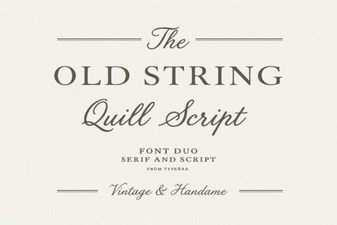 Old String Font Designs for Creative Projects
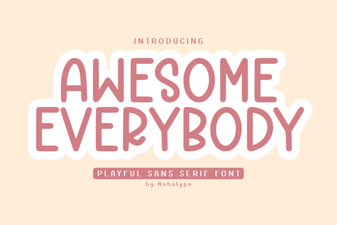 Awesome Everybody Font: Creative Uses & Free Downloads
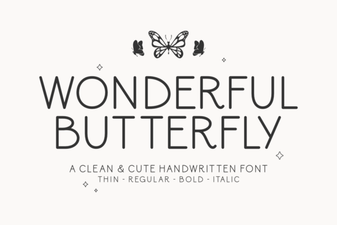 Wonderful Butterfly Font: Creative Design & Inspiration
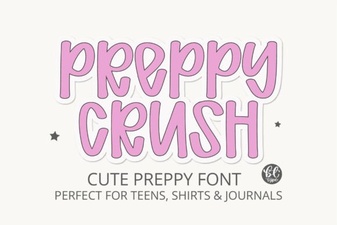 Preppy Font: Style Tips for Creative Designs
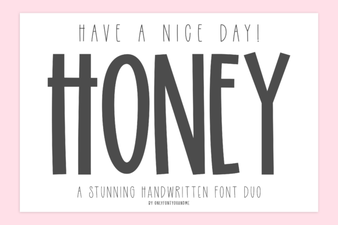 Free & Downloadable Have a Nice Day Honey Font
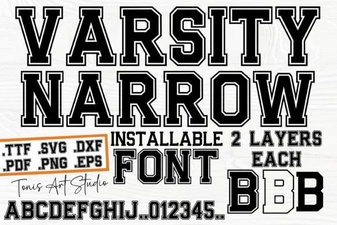 Creative Projects with Varsity Narrow Font