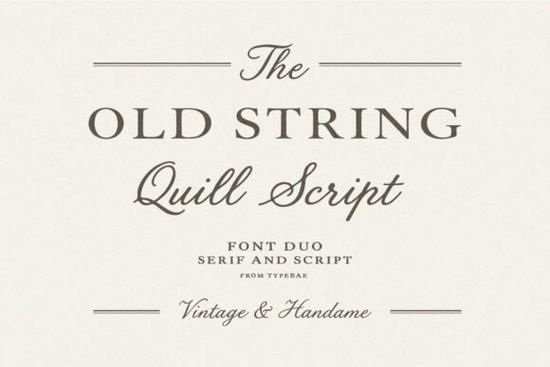
Finding the right typography for a heritage brand or a rustic wedding suite often comes down to balancing structure with handwritten warmth. When you need that specific blend of classic elegance and artistic flow, the Old String Font provides a highly versatile solution. This particular typeface package gives you two distinct styles: a refined vintage serif and a graceful quill-style script. Instead of buying separate families and hoping they match, you get a pre-paired set designed to work seamlessly across logos, packaging, editorial layouts, and sophisticated stationery.
What makes a vintage serif and script duo work together?
The secret to good typography pairing is contrast. A structured serif provides readability and a solid foundation, while a flowing script adds personality and a human touch. If you are exploring other options in this style, you might also look at how different classic letterforms handle heavy ink spreads on textured paper. The beauty of a matched duo is that the x-heights and overall proportions are already calibrated by the designer. You do not have to guess if the capital letters will look too bulky next to the lowercase swashes, saving you hours of frustrating trial and error.
How can small businesses and crafters use this for branding?
For print-on-demand sellers, candle makers, and boutique owners, consistent branding is essential but often expensive to outsource. Using a unified type family allows you to create cohesive product labels, thank-you cards, and storefront signage without hiring an agency. Having both styles in one package means your brand voice stays consistent whether you are printing a tiny sticker or a large canvas tote bag.
- Product Packaging: Use the serif for ingredient lists and legal text, keeping it clean and legible on small jars or boxes.
- Logos and Wordmarks: Apply the script for the main brand name to give it a custom, hand-drawn feel that stands out on shelves.
- Social Media Graphics: Mix both styles in quote templates to break up the visual monotony of standard sans-serif text.
This practical approach gives your shop a professional, heritage-inspired look that builds immediate trust with your customers.
Which projects benefit most from a quill style script?
Quill scripts mimic the natural thick and thin strokes of a traditional dip pen, making them ideal for formal and romantic occasions. Wedding invitations, anniversary announcements, and high-end editorial layouts rely heavily on this kind of expressive lettering to set a premium tone. If your current design feels a bit too rigid, introducing a softer alternative like a bright and citrus-inspired typographic choice can completely change the mood of the layout. However, for traditional elegance and historical charm, the sweeping ligatures and delicate swashes of a quill script remain the absolute standard.
Design tip: When setting script text, never use all-caps. It ruins the connecting strokes and makes the words nearly impossible to read. Keep it to title case or lowercase for the best visual flow, and use the serif font for any uppercase headings.
What should you check before finalizing your layout?
Before you send your design to the printer or publish it online, run through a few technical checks to ensure your typography holds up in the real world. Screen resolution often hides minor flaws that become glaringly obvious once the design is physically printed on paper or stamped onto packaging.
- Kerning and Tracking: Scripts often require manual kerning adjustments where letters connect. Check the joints closely to avoid awkward gaps.
- Print Legibility: Print a test page at actual size. Thin script hairlines might disappear on low-quality paper or uncoated cardstock.
- License Terms: Always verify your commercial license, especially if you are selling physical products or using the fonts in a registered logo trademark.
Next Steps for Your Design Project:
- Download and install both the serif and script files to your operating system.
- Open your design software and type out your main headings in the script style.
- Set your body copy, ingredients, and subheadings in the vintage serif.
- Print a physical proof on your chosen paper stock to check the ink spread and hairline thickness.
- Adjust the tracking on the serif and the kerning on the script connections before exporting your final file.
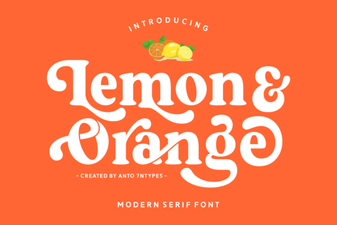 Design Tips for Citrus-Inspired Typography
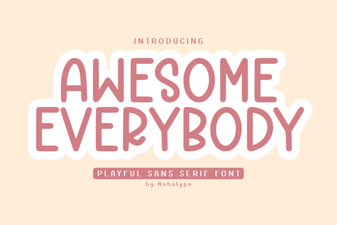 Awesome Everybody Font: Creative Uses & Free Downloads
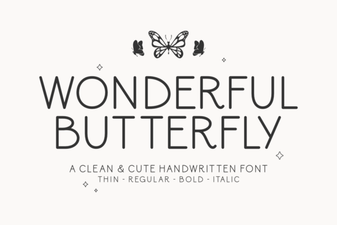 Wonderful Butterfly Font: Creative Design & Inspiration
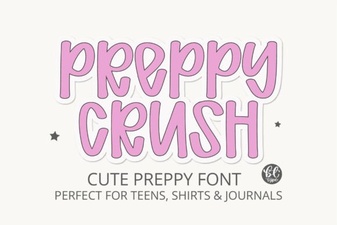 Preppy Font: Style Tips for Creative Designs
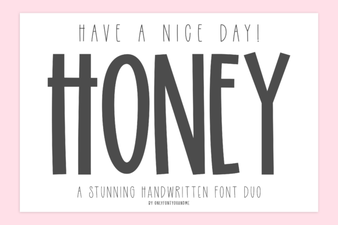 Free & Downloadable Have a Nice Day Honey Font
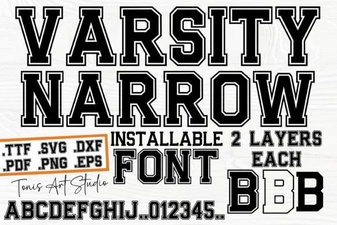 Creative Projects with Varsity Narrow Font